They Laughed When He Filled the Drainage Culverts with Catfish… Until the Yield Doubled

Chapter 3
Walter Hayes had farmed longer than Daniel had been alive.
He was sixty-four, broad-shouldered, sun-darkened, and deeply suspicious of anything described as “innovative.”
“If it worked,” Walter often said, “somebody would’ve been doing it already.”
He wasn’t cruel.
He simply trusted experience more than theory.
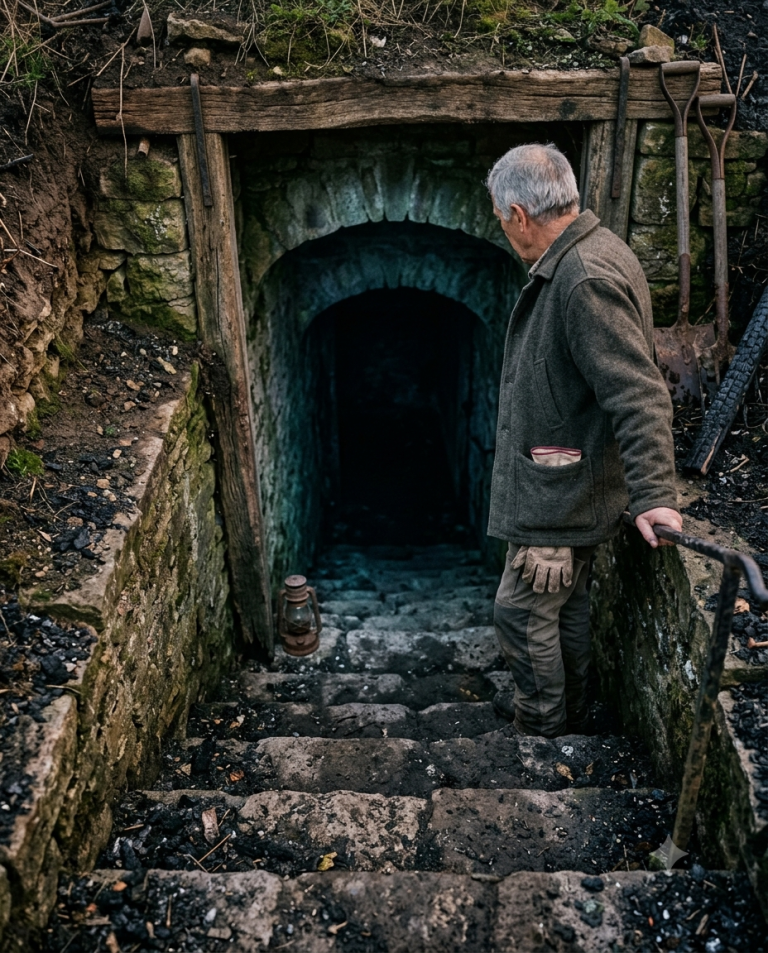
When he saw Daniel releasing the catfish, he walked across the road to inspect the culvert.
“You know they’ll die.”
Daniel continued adjusting a screen at the entrance.
“Some might.”
“They’ll get washed away.”
“That’s why I’ve installed barriers.”
“Birds will eat them.”
“Some will.”
“Snakes.”
“Yes.”
“Frogs.”
“Yes.”
Walter stared at him.
“You’ve thought about this too much.”
Daniel laughed.
“Probably.”
Walter kicked the mud with his boot.
“And what happens when they breed?”
“They’re being monitored.”
“You’re going to have a fish explosion in your drainage ditch.”
Daniel stood.
“They’re channel catfish fingerlings. I’m controlling stocking density.”
Walter shook his head.
“You’ve got seventy acres and you’re turning your drains into an aquarium.”
Several men nearby laughed.
Daniel didn’t mind.
He had heard worse.
His wife, Emma, wasn’t as amused.
That evening, she found him sitting at the kitchen table with three notebooks spread before him.
“You know everyone is talking about you.”
Daniel looked up.
“That’s never good.”
“Walter told the feed store you’re growing catfish instead of rice.”
Daniel smiled.
“Did he mention the rice?”
“No.”
“Then he’s missing half the story.”
Emma sat across from him.
“Are you sure this is worth the risk?”
Daniel closed the notebook.
“I don’t know.”
She appreciated the honesty.
“How much have you spent?”
“About twenty-three hundred dollars.”
Emma’s eyebrows rose.
“Daniel.”
“I know.”
“That’s not nothing.”
“I know.”
“What if it doesn’t work?”
Daniel looked through the window toward the dark fields.
“Then I learn something expensive.”
Emma sighed.
“You always say that.”
“Because it’s usually true.”
She studied him for a moment.
“You really believe this can work?”
Daniel didn’t answer immediately.
He opened his grandfather’s notebook.
The cover was nearly black with age.
“My grandfather wrote about fish in irrigation channels,” he said. “Not catfish specifically. He said farms used to work with the water instead of fighting it.”
Emma touched the page.
“Your grandfather also believed chickens should be allowed to sleep on porch railings.”
“They seemed happy.”
“They pooped on my shoes.”
“That was their way of saying hello.”
Emma laughed despite herself.
Then her expression softened.
“Just promise me something.”
“What?”
“If the numbers tell you to stop, stop.”
Daniel nodded.
“Deal.”
What neither of them knew was that the numbers were about to become impossible to ignore.