A Tornado Dropped Strange Seeds Onto Her Farm—The Widow Knew Exactly Where They Came From

Chapter 10
The modified plants weren’t the only seeds in the soil.
Someone had planted the original Eden strain along the northern boundary.
Margaret immediately stopped the trial.
Scientists arrived within hours.
They isolated the area.
The plants were destroyed under controlled conditions.
But one question remained.
How had they gotten there?
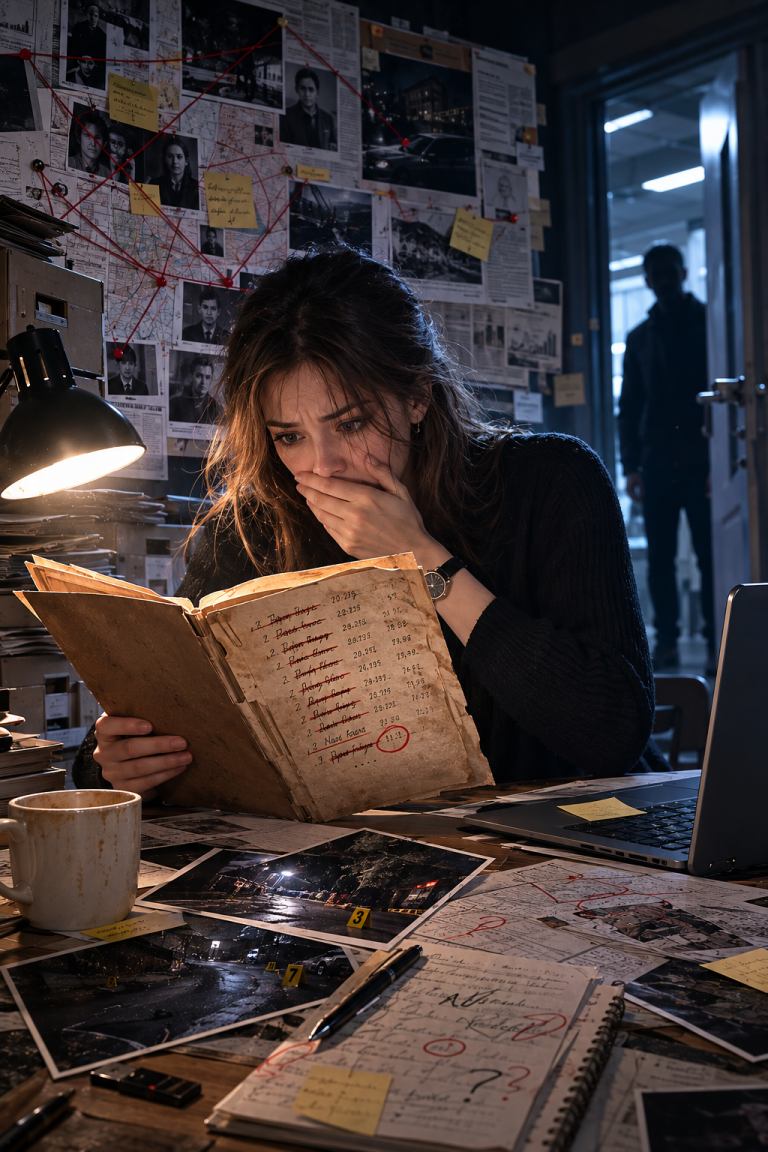
Security footage revealed a truck entering the property at 2:11 in the morning.
The driver wore a hood.
The license plate was stolen.
But the truck had passed a toll station twenty miles away.
Investigators traced it.
The trail led to a warehouse owned by a company connected to Elliot.
Inside, they found seed samples.
Original Eden.
Modified Eden.
And something else.
A new strain.
The company’s plan became clear.
They wanted to create competing crops.
If Daniel’s strain became public, they would release an inferior version and claim ownership.
Then sue farmers whose fields became contaminated.
It was a corporate strategy built around controlling confusion.
Sarah called it “manufactured dependency.”
The federal government seized the warehouse.
The company collapsed.
But the legal battle continued.
Elliot’s attorneys argued that Daniel’s research belonged to Red Creek.
They claimed his employment agreement gave the company ownership.
Sarah fought back.
Daniel had developed the modified strain after leaving Red Creek.
More importantly, the research had been conducted using independent methods.
The court ordered a full intellectual property review.
Margaret testified.
She brought Daniel’s notebooks.
His private research logs.
His farm records.
His correspondence.
One judge asked:
“Mrs. Hayes, why did your husband keep all this at home?”
Margaret answered:
“Because he didn’t trust the company.”
“Did he ever tell you why?”
“Yes.”
“What did he say?”
She looked at Daniel’s handwriting.
“He said a farmer should always know who owns the seed.”
The courtroom became silent.
The case lasted months.
Then came the ruling.
Daniel’s modified research belonged to his estate.
Not Red Creek.
Not Elliot.
Not any corporation.
Margaret and Anna inherited the rights.
But they made an unexpected decision.
They donated the research to a public agricultural trust.
No exclusive patents.
No monopoly.
The seeds would be licensed freely to small farmers under strict environmental rules.
Large corporations could participate too.
But no company could control the supply.
The decision was celebrated across rural America.
Farmers called Margaret.
Some cried.
Others thanked her.
She felt uncomfortable with the attention.
“I didn’t do this,” she said.
“My husband did.”
But everyone knew she had carried his work forward.
The first public harvest came the following year.
Margaret stood in the field as combines moved through rows of healthy crops.
The yield exceeded expectations.
The soil tested better than it had in decades.
Scientists called it one of the most promising agricultural developments of the decade.
Reporters asked Margaret what she planned to do with the money.
She shook her head.
“Money isn’t the point.”
“What is?”
She looked at Anna.
“Making sure nobody can take the future away from farmers.”
Then she looked toward the southern field.
The place where the tornado had dropped the strange seeds.
Where she had found Daniel’s hidden work.
Where eleven years of unanswered questions finally ended.
But the story wasn’t finished.
Because one evening, Margaret received a letter.
There was no return address.
Inside was a photograph.
It showed Daniel standing beside a greenhouse she had never seen.
On the back were six words:
THERE WAS ANOTHER PROJECT BEFORE EDEN.