They Bulldozed a Little Girl’s Orchard — Then Faced the Harvest That Cost Them Millions in Court

Chapter 6
The trial lasted three weeks.
Every day brought another revelation.
Westbrook had ignored environmental recommendations.
Its contractors had failed to document protected trees.
Its executives had pressured county officials to accelerate permits.
And internal emails showed that the company had calculated the cost of defending the lawsuit before the bulldozers even arrived.
They had expected Daniel to give up.
They were wrong.
But the most emotional testimony came from Emma.
Sarah had warned Daniel against putting her on the stand.
“She doesn’t need this.”
Daniel agreed.
But Emma asked to speak.
“I want them to know.”
So the judge allowed a limited statement.
Emma walked to the witness stand carrying the old harvest notebook.
She was small beneath the courtroom lights.
The judge spoke gently.
“Do you understand why you’re here?”
Emma nodded.
“I want to tell the truth.”
The courtroom became silent.
Sarah asked simple questions.
“Who planted the orchard?”
“My grandpa.”
“How long did your family care for it?”
“Almost seventy years.”
“What did you do there?”
Emma smiled.
“I picked apples.”
A few people laughed softly.
Then her smile disappeared.
“What happened?”
“They came with machines.”
“Did you understand why?”
“No.”
“What did you think?”
Emma looked at the jury.
“I thought they would stop when they saw me crying.”
The courtroom went completely silent.
Sarah swallowed.
“Did they?”
Emma shook her head.
“No.”
She held up the bruised apple.
“This was on the ground after they knocked down Grandpa’s tree.”
Her voice trembled.
“I kept it because I thought maybe it still remembered him.”
Several jurors looked away.
Sarah didn’t ask another question.
The defense attorney declined to cross-examine her.
That decision would later be considered one of the smartest choices he made.
Outside the courtroom, the story exploded.
People shared Emma’s testimony across social media.
Farmers posted photographs of their own orchards.
Schoolchildren sent drawings.
A community group began planting replacement trees.
Within days, more than a thousand people volunteered.
But the trial wasn’t over.
The jury still had to determine damages.
Westbrook’s attorneys argued that the orchard’s economic value had been exaggerated.
Sarah countered with evidence.
Lost annual production.
Cost of replanting.
Decades required for maturity.
Research value.
Conservation value.
Ecological damage.
And intentional misconduct.
The judge instructed the jury carefully.
If they found the company acted knowingly and recklessly, punitive damages could apply.
Westbrook’s stockholders began panicking.
Investors demanded answers.
The company announced an internal review.
Then another problem appeared.
A county official admitted that Westbrook’s executives had pressured his department.
He produced emails.
There had been meetings.
Calls.
Promises.
Potential future contracts.
The county permit process had been manipulated.
The legal case had just become bigger than an orchard.
It was now a question of whether a powerful developer had deliberately used its influence to bypass protections and destroy private property.
Richard Westbrook finally approached Daniel outside the courthouse.
“You’ve made your point.”
Daniel looked at him.
“No.”
“What do you want?”
Daniel glanced toward Emma.
“I want you to understand something.”
Westbrook frowned.
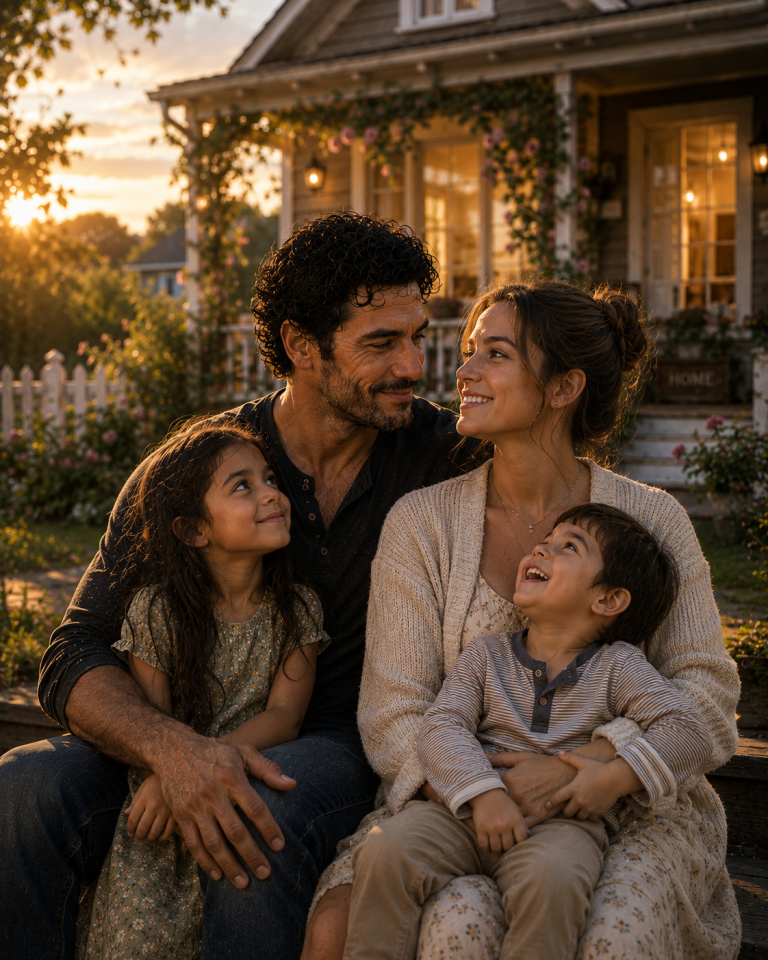
“My daughter is nine years old.”
He pointed toward the courtroom.
“And she knows more about responsibility than you do.”
Westbrook’s face hardened.
“This is business.”
Daniel shook his head.
“That was your mistake.”
Then he walked away.