The Widow Saved the River Willows Everyone Burned — By Harvest, Farmers Were Begging for Her Baskets

Chapter 5
Eleanor’s business reached another turning point.
Farmers weren’t just buying baskets.
They were asking for willow planting plans.
The county wanted to use the system along vulnerable waterways.
A regional agricultural college asked Eleanor to lecture.
She laughed at the invitation.
“I’m not a professor.”
“They know.”
“Then why?”
“Because you’ve done something researchers have been studying for years.”
Eleanor agreed.
The lecture hall was full.
She showed photographs of the burned riverbank.
Then the surviving willow sections.
Then the basket workshop.
She explained coppicing.
How a tree could be harvested without being destroyed.
How roots could protect soil.
How local materials could replace imported plastics.
At the end, a student asked:
“Why didn’t anyone do this before?”
Eleanor smiled.
“Sometimes people stop seeing what’s in front of them.”
The audience laughed.
She continued:
“My husband used to call willows stubborn.”
She paused.
“He was right.”
The story of Thomas began appearing in articles.
People learned about the man who had loved the river.
Eleanor sometimes cried reading them.
But the grief had changed.
It wasn’t sharp anymore.
It was warm.
Thomas was everywhere.
In the river.
The barn.
The baskets.
The trees.
Then one afternoon, Daniel brought a surprise.
He had hired a photographer.
“What for?”
“Mom.”
He showed her pictures.
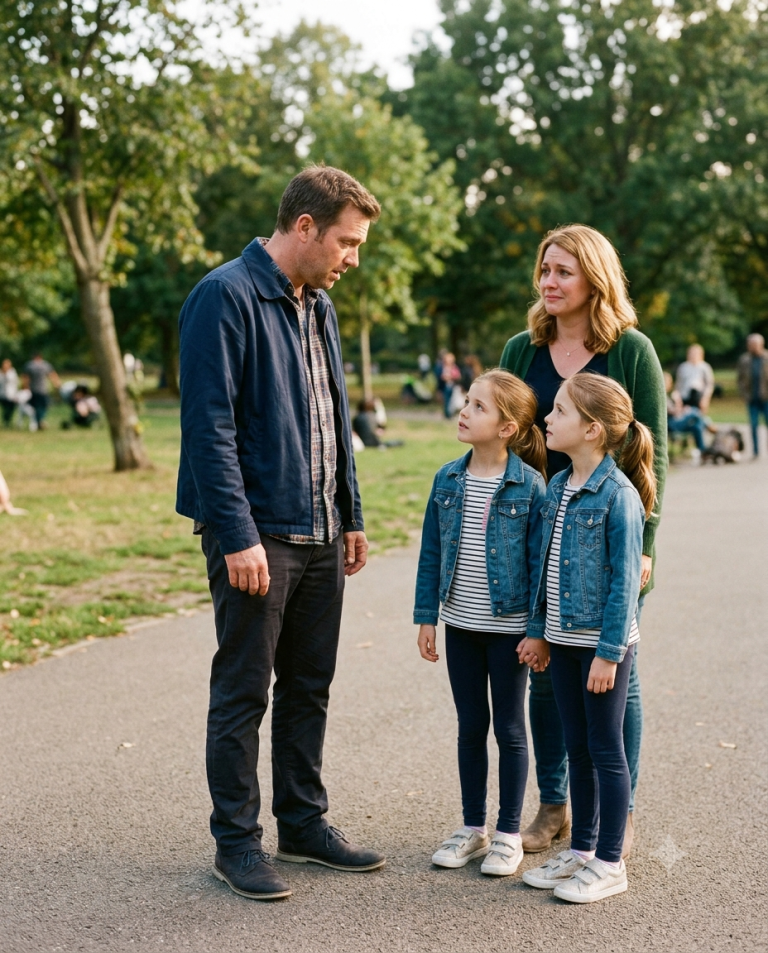
A family portrait.
Eleanor stood in the willow field.
Sarah beside her.
Grandchildren holding baskets.
Daniel standing behind them.
Noah appeared in the background.
Eleanor smiled.
“It’s beautiful.”
Daniel nodded.
“You’ve built something.”
“We built something.”
He shook his head.
“You started it.”
She looked at him.
“Your father would be proud.”
Daniel smiled.
“I know.”
He had changed too.
He stopped seeing the farm as an aging property.
He began seeing it as a legacy.
He helped with the financial side.
Sarah developed the online store.
The grandchildren learned basket weaving.
The whole family became involved.
For the first time since Thomas died, Eleanor no longer felt like she was preserving his memory alone.
They were building something new.
Then a national farming association contacted her.
They wanted ten thousand baskets for a nationwide sustainability program.
This time, Eleanor didn’t say no immediately.
She studied the numbers.
Could the willow supply support it?
Could she expand responsibly?
Could farmers across the region grow their own willow?
She realized the answer was yes.
But not if she kept ownership centralized.
The solution became a cooperative.
Local farmers would plant willow.
Eleanor’s workshop would teach harvesting and weaving.
Farmers could supply branches.
Everyone would share the benefits.
The system could scale without destroying the river.
Eleanor smiled.
Now she understood.
The basket wasn’t the business.
The ecosystem was.